
Photo: perrygrone
Your experiential marketing event was a hit. Attendees loved it, social media buzzed, and leadership seemed impressed. But now comes the hard question: Did it actually drive revenue?
For too many brands, experiential marketing lives in a measurement black hole. You know people engaged, but connecting those moments to dollars feels impossible. Meanwhile, your digital marketing colleagues are pulling clean conversion reports that make their ROI crystal clear.
Here’s the reality: Experiential marketing can be measured just as precisely as digital campaigns: you just need the right framework.
The Hidden Challenge of Event ROI
Most companies track the wrong metrics. They count attendees, measure social mentions, and calculate “brand impressions.” These vanity metrics feel good but don’t prove business impact.
The problem isn’t that experiential marketing doesn’t drive revenue: it’s that most brands don’t set up proper tracking before the event happens. By the time you’re asking “what was our ROI?” it’s already too late to capture the data you need.
Smart brands build revenue tracking into their experiential strategy from day one.
Photo: productschool

1. Set Up Direct Sales Attribution
Start Here: Create event-specific tracking codes, landing pages, and promotional offers that only event attendees can access.
Before your event launches, establish clear attribution paths. If you’re launching a new product at a trade show, create a unique promo code like “DEMO2026” that’s only shared with booth visitors. For service-based businesses, set up dedicated phone numbers or contact forms that track leads back to the event.
Real Example: A software company attending CES created demo accounts with special pricing only available to booth visitors. They tracked every conversion from demo to paid subscription, proving their $50K event investment generated $240K in new revenue within 90 days.
Track This:
- Event-exclusive promotional codes
- Unique landing page conversions
- Special product bundles only offered to attendees
- VIP pricing tiers for event participants
2. Monitor Post-Event Conversion Lift
The Key Insight: Most experiential marketing revenue happens 30-90 days after your event, not during it.
Compare your baseline conversion rates before the event to post-event performance. If your typical email-to-purchase conversion rate is 3%, but event attendees convert at 8%, you’ve quantified your experiential marketing impact.
Set up cohort analysis in your analytics platform to track attendees vs. non-attendees over time. This reveals whether your event created lasting customer relationships or just temporary excitement.
Measurement Framework:
- Baseline conversion rate (30 days pre-event)
- Event attendee conversion rate (30, 60, 90 days post-event)
- Sales cycle reduction for event-exposed leads
- Purchase frequency changes among attendees
Photo: walls_io
3. Master Lead Capture and Revenue Mapping
The System: Capture leads systematically, then track their journey to purchase with obsessive detail.
Too many events rely on business cards and handshakes. Smart brands use badge scanning, QR codes, and mobile capture forms to grab contact information instantly. But capturing leads is only half the battle: you need systems that track those leads through your entire sales funnel.
Implementation Steps:
- Use badge scanning or mobile apps for instant contact capture
- Tag all event leads in your CRM system
- Set up automated follow-up sequences specifically for attendees
- Create sales team alerts when event leads take key actions
Revenue Connection: Track how many event leads become customers and calculate their total purchase value. If 100 event leads generate 15 customers worth $2,000 each, your lead value is $300 per captured contact.
4. Calculate Customer Lifetime Value Impact
The Long Game: Event attendees often become your highest-value customers: but only if you measure it.
Standard ROI calculations miss the ongoing revenue from customers acquired through experiential marketing. Event attendees frequently become brand advocates who make repeat purchases and refer others.
Track attendees’ customer lifetime value compared to customers acquired through other channels. Create cohorts in your analytics platform and compare:
Customer Value Metrics:
- Average purchase frequency (attendees vs. non-attendees)
- Customer retention rates by acquisition channel
- Referral rates from event-acquired customers
- Upgrade/upsell success rates
Case Study: A B2B software company found that customers acquired through their annual user conference had 40% higher lifetime value and 65% better retention rates than customers from paid advertising. This data justified doubling their conference budget the following year.
Photo: dole777

5. Quantify Earned Media Value
Beyond Impressions: Track how event coverage and social sharing translates into website traffic and sales.
Calculate the media value of press coverage, influencer posts, and organic social shares generated by your event. But don’t stop at impression counts: track how this earned media drives actual business results.
Revenue Attribution Process:
- Monitor referral traffic from earned media mentions
- Track social media clicks to product pages
- Measure branded search increases post-event
- Calculate cost per acquisition for earned media traffic
Use UTM parameters on all event-related content to track which earned media drives the most valuable traffic. A single influencer post might generate $10K in direct sales, making your entire event investment worthwhile.
6. Measure Engagement Quality, Not Quantity
Focus Shift: Stop counting interactions and start measuring purchase intent signals.
Not all event engagement predicts revenue. Someone who spent 30 seconds at your booth might be less valuable than someone who completed a product demo or scheduled a follow-up meeting.
High-Value Engagement Indicators:
- Product demonstration completions
- Consultation requests or meeting bookings
- Email list subscriptions with specific interests
- Download requests for sales materials
- Contact information sharing for follow-up
ROI Calculation: Divide your total event cost by the number of high-quality engagements (not total attendees). This gives you a more accurate cost-per-lead that compares fairly to digital marketing channels.
Photo: lukechesser
7. Build Attribution Models That Connect Touchpoints
The Complete Picture: Most customers need multiple touchpoints before purchasing: track the entire journey.
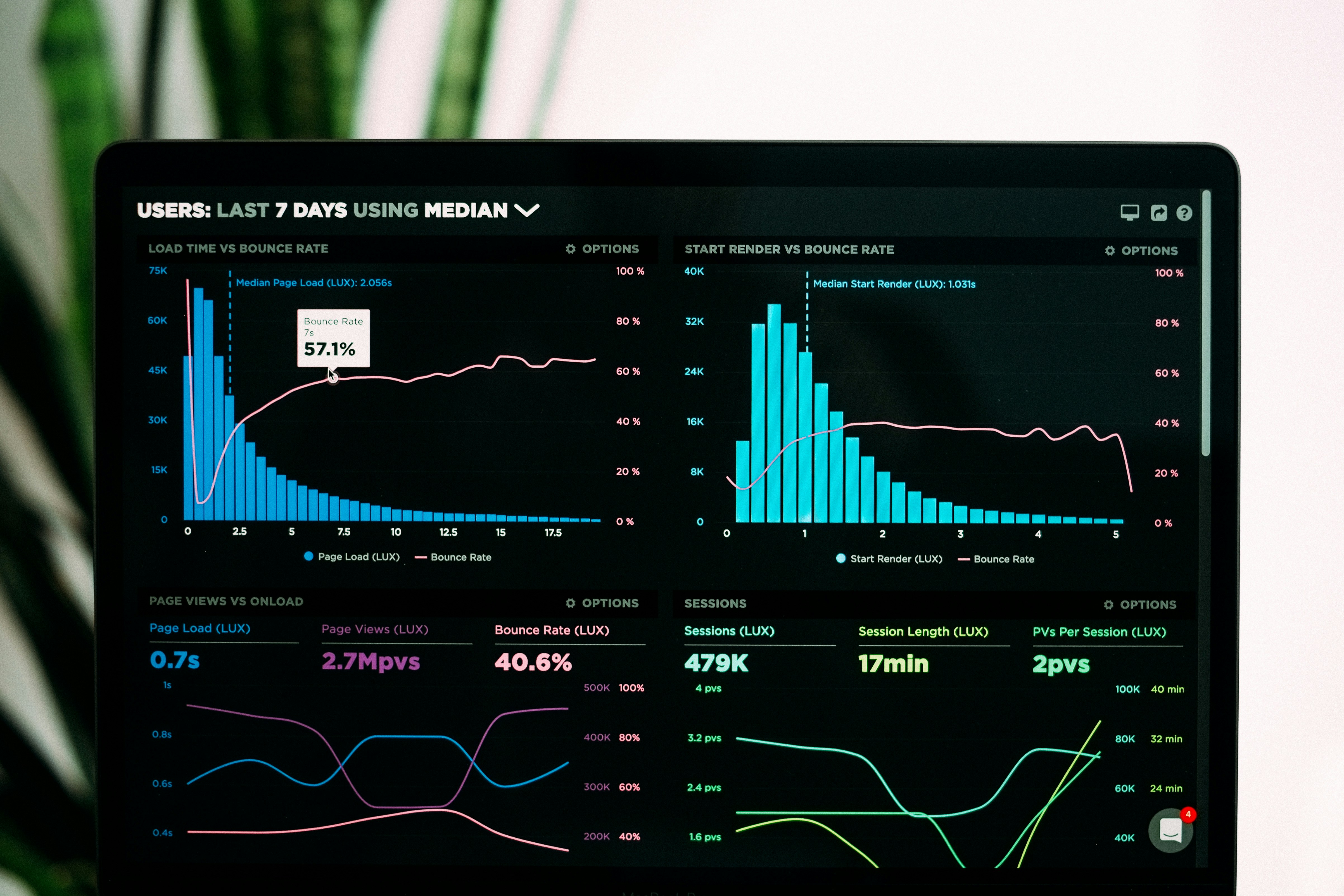
Your experiential event might be the first touchpoint in a longer customer journey. Build attribution models that give appropriate credit to experiential marketing within your larger conversion path.
Multi-Touch Attribution Setup:
- Tag all event attendees in your CRM and analytics
- Track their engagement with future marketing campaigns
- Monitor how event exposure affects email open rates and click rates
- Measure the role of event attendance in final purchase decisions
Use first-touch and multi-touch attribution models to understand how experiential marketing influences customers who don’t purchase immediately. The executive who visited your trade show booth might not buy for six months, but your event planted the seed.
Making It All Work: Your Implementation Checklist
Before Your Next Event:
- Set up unique tracking codes and landing pages
- Create lead capture systems with CRM integration
- Establish baseline conversion and engagement metrics
- Build cohort tracking for attendees vs. non-attendees
During Your Event:
- Capture leads systematically with mobile tools
- Tag all interactions and engagement levels
- Monitor social media and press coverage with tracking links
- Document high-value engagement moments
After Your Event:
- Track conversion rates at 30, 60, and 90-day intervals
- Calculate customer lifetime value for event-acquired customers
- Measure earned media traffic and conversion impact
- Build attribution models connecting events to later purchases
Ready to Prove Your Event ROI?
The brands that master experiential marketing measurement don’t just throw better parties: they build revenue-generating experiences that justify bigger budgets and drive sustainable growth.
At Prototype MKTG, we’ve helped dozens of companies transform their events from cost centers into profit drivers. Our approach combines strategic event design with bulletproof measurement systems that prove ROI from day one.
Ready to turn your next event into a measurable revenue generator? Contact our team to discuss how we can build tracking and attribution into your experiential marketing strategy( before you spend a dollar on your next event.)